Survodutide
Phase 3 trials running; no US filing announced.
A weekly injection that pairs with , which makes the liver burn more fat. Weight loss is moderate; the bigger hope is fatty liver disease. A made by Boehringer Ingelheim (from Zealand Pharma), also called BI 456906.
What the evidence shows
Side effects and risks
Who should avoid it: Anyone outside a clinical trial.
How it works
- Where it acts
- Glucagon and GLP-1 receptors.
- What it changes
- GLP-1 lowers appetite. Glucagon pushes the liver to burn fat.
- What people notice
- Moderate weight loss and less liver fat in trials. Nausea and vomiting are common.
How it has been given in trials
Weekly injection under the skin, raised in steps to 3.6 mg or 6 mg. There is no approved dose.
Getting it in the United States
The legal route for Survodutide
Not approved. The only lawful way to get it is to join a clinical trial.
Clinical trial enrolment only
Not approved anywhere. Access is through Boehringer trials in obesity, type 2 diabetes and MASH. The main drawback seen in trials is frequent nausea and vomiting during dose increases.
Source: AJMC, 2026-10
Routes people use for any peptide in the United States
Telehealth prescribing
Online clinics prescribe after a questionnaire, sometimes with no live doctor visit, and mail the drug. FDA moved in February 2026 to restrict mass-marketed compounded copies and claims that they are generic equivalents.
Risk: Thin medical screening. Compounded versions are not reviewed by FDA for quality.
Covers: Approved GLP-1 drugs, compounded semaglutide and tirzepatide
Source: GZERO Media, Apr 2026
Clinical trial enrolment
The only lawful way to get an unapproved peptide drug with medical monitoring. ClinicalTrials.gov lists eligibility, sites and phone numbers. Researchers note recruitment is hard when people can buy the drug on the gray market instead of risking placebo.
Risk: Possible placebo assignment, strict eligibility and travel to a study site.
Covers: Investigational peptide drugs still in development
Source: NIH, finding a clinical trial
Routes people use for any peptide in the United States
Compounding pharmacy with prescription
A clinician prescribes and a pharmacy compounds. Twelve peptides left the FDA do-not-compound category in April 2026 and a panel backed six in July, but they are not yet formally eligible. Pharmaceutical-grade ingredient is scarce.
Risk: Legal status is unsettled until FDA rulemaking ends. Pharmacies may use research-grade ingredient.
Covers: BPC-157, TB-500, KPV, MOTS-c, Semax, Epitalon and similar
Source: Frier Levitt, Apr 2026
Med spas and weight-loss clinics
Very common. Secret shoppers called 75 clinics and med spas in two states after shortages ended. 92 percent offered compounded semaglutide and 87 percent tirzepatide, often mixed with B vitamins to look custom.
Risk: Four of 23 suppliers lacked sterile compounding licenses and four had disciplinary records.
Covers: Compounded semaglutide and tirzepatide
Source: American Med Spa Association on JAMA Health Forum study, Jul 2026
Concierge and longevity doctors
Cash-pay physicians build peptide plans for wealthy clients. Reporting from San Francisco says some source from overseas channels, domestic research-use-only sellers or the few compounding pharmacies that will supply clinicians.
Risk: A doctor's involvement does not guarantee a pharmaceutical-grade product.
Covers: BPC-157, thymosin alpha-1, Selank, Semax, CJC-1295, ipamorelin, retatrutide
Source: San Francisco Standard, Sep 2025
Cross-border purchase or import
FDA says importing drugs for personal use is illegal in most cases but it may not object to small personal quantities in limited situations. Reporting also describes people travelling to Mexico for injections.
Risk: Packages can be seized. Product origin and cold-chain handling are hard to check.
Covers: Approved prescription peptides sold abroad
Source: FDA, personal importation
Routes people use for any peptide in the United States
Research-chemical websites
Sites sell vials marked for research or not for human consumption, with no prescription. FDA says some ship direct to consumers with dosing directions, and it has sent warning letters. Retatrutide exists only through this route or trials.
Risk: Unknown identity, strength and sterility. No pharmacist or prescriber involved.
Covers: Retatrutide, semaglutide, tirzepatide, BPC-157 and most unapproved peptides
Source: FDA, unapproved GLP-1 drugs page
Direct orders from Chinese factories
Buyers message factory sales agents and pay by crypto or payment app. A minimum order of about ten vials pushes people to buy in bulk and share. A blockchain analysis found US buyers were the largest source of funds.
Risk: Many of the same vendors list fentanyl precursors. Lab reports sent by sellers cannot be verified.
Covers: GLP-1 copies, melanotan II, BPC-157, TB-500, GHK-Cu, epitalon
Source: TRM Labs, Oct 2026
Chat groups and social sellers
Dealers are found through Telegram, WhatsApp, Discord and influencer discount codes. In a May 2026 survey of 1,000 US users, 14.5 percent bought this way and three quarters asked an AI chatbot for dosing.
Risk: 45 percent of social media buyers in that survey reported an emergency or urgent care visit for a reaction.
Covers: Retatrutide and other research-use-only peptides
Source: The Ethos, May 2026
This describes what people do. It is not advice. The decision is yours.
More contextWhat public figures say, videos and articles and when options run out
What experts and influencers say
Paraphrased from the linked sources.
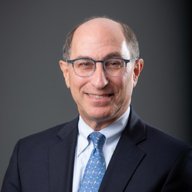
Led the MASLD trial in which most patients cut liver fat by at least 30 percent. He has said liver fat fell earlier than weight loss alone would explain.
Lee KaplanWebsiteRecommends
Photo source: doctor.webmd.com

Said the SYNCHRONIZE-2 results, with better blood sugar control and insulin sensitivity alongside weight loss, show that treating obesity can improve wider metabolic health.
Source: AJMC, 2026-10
Sean WhartonWebsiteRecommends
Photo source: news.mcmaster.ca
After 18 percent of treated patients in SYNCHRONIZE-2 stopped because of stomach and gut effects, the company said later studies will use more individual dose stepping to improve tolerability.
Source: AJMC, 2026-10
Boehringer IngelheimSourceMixed view
Money: Owns the drug with Zealand Pharma

Presented a body composition substudy reporting that visceral and liver fat fell more than other tissue and that muscle made up a small share of the tissue lost.
Source: AJMC, 2026-10
Kirsi PietilainenWebsiteRecommends
Photo source: novonordiskfonden.dk
Watch and read
Explainers, reporting and podcasts worth your time. Summaries are ours. No sellers.
Survodutide delivers 16.6% weight loss in major phase 3 obesity trial
John Pinching, reporter
Short news report on Boehringer Ingelheim's topline phase 3 results for survodutide, with up to 16.6% weight loss over 76 weeks versus placebo.
Quickest way to see the headline phase 3 result
Survodutide Reduces Visceral and Liver Fat in Phase 3 Obesity and MASLD Trials
Feliza Mirasol, writer
Covers phase 3 weight, visceral fat and liver fat data for survodutide, plus caveats on gastrointestinal dropouts and surrogate liver endpoints.
Includes the limits of the liver-fat evidence
Dual Agonist Survodutide Delivers Up to 13.1% Weight Loss in T2D
Giuliana Grossi, writer
SYNCHRONIZE-2 results in type 2 diabetes: up to 13.1% weight loss, but 18% on the drug stopped because of stomach side effects.
Newest trial results, with the tolerability trade-off
When options run out
Uses people turn to when standard treatment has failed.
Fatty liver disease with inflammation or fibrosis
- Who
- Adults with obesity and MASLD who have few approved drug options.
- Evidence
- SYNCHRONIZE-MASLD, 218 adults: 84 percent reached a 30 percent liver fat drop at 48 weeks versus 24 percent on placebo. Liver fat, not hard outcomes.
- Route
- LIVERAGE phase 3 trial in MASH with fibrosis
MASH with cirrhosis
- Who
- People with cirrhosis from MASH facing liver failure or transplant.
- Evidence
- No results yet. A phase 3 trial of about 1,590 patients is measuring death, transplant and decompensation. Completion expected 2029.
- Route
- LIVERAGE-Cirrhosis phase 3 trial
Legal last-resort routes
Expanded access (compassionate use)
For a serious or life-threatening condition with no comparable alternative and no trial you can join. Your physician asks the company for the drug, then files with FDA and an ethics board. The company can refuse. Costs are often not insured.
Right to Try
For a life-threatening condition after approved options are exhausted and no trial is open to you. The drug must have finished Phase 1 and be in active development. Your doctor asks the manufacturer directly. FDA does not review requests.
Source: FDA, Right to Try
Trial finders
Search ClinicalTrials.gov by condition or drug name, check eligibility and call the listed site. ResearchMatch is a free NIH-funded registry that lets researchers find you. Discuss risks with your own clinician before enrolling.
Source: NIH, finding a clinical trial
Personal import for serious conditions
FDA may not object when a US citizen imports up to about three months of a drug for a serious condition with no effective US treatment, with written personal-use confirmation and a US doctor's details. It is discretion, not a right.
Source: FDA, personal importation
Patient-specific compounding
When the approved product cannot meet a specific need of an identified patient, a prescriber can order a compounded version from a licensed pharmacy. Lower price alone does not qualify. Ingredients must be pharmaceutical grade.
Questions people ask
How does survodutide work?
It is a weekly injection that pairs GLP-1, which lowers appetite, with glucagon, which pushes the liver to burn fat.
How much weight loss does survodutide cause?
In SYNCHRONIZE-1, people on the higher dose lost 16.6% at 76 weeks, against 3.2% on placebo. In type 2 diabetes the figure was up to 13.1%, against 3.1%.
Does survodutide help fatty liver disease?
In phase 2, MASH improved in up to about 6 in 10 people, against about 1 in 7 on placebo. Two phase 3 liver trials are running.
What are the side effects of survodutide?
Stomach side effects drove 18% to 20% of people to stop in the main obesity trial, against 3% on placebo. Its effect on heart attacks and strokes is unknown until the outcomes trial reports.
Is survodutide approved?
No. No US filing has been announced, and a cardiovascular outcomes result is due by the end of 2026.
Your notebook
Taking it? A ten-second daily check-in keeps a record of how you feel, to talk through with your clinician.
Sources
Structure: PubChem